



The Faculty of Engineering Receives the “Excellent Research Institution” Title from the Hungarian Academy of Sciences
The Faculty of Engineering of the University of Pannonia has been awarded the “Excellent Research Institution” title by the Hungarian Academy of Sciences (MTA), granting the right to use this prestigious designation for the period 2025–2030.
With this recognition, the Faculty becomes the sole bearer of the title among faculties dedicated to engineering and natural sciences in the Transdanubian region.

On December 16, 2021, at the initiative of the National Research, Development and Innovation Office, the most outstanding research infrastructures in Hungary were recognized for the first time. The Research Institute of Biomolecular and Chemical Engineering was awarded the recognition. Gábor Járvás, senior researcher, took over.
Top Research Infrastructures in Hungary 2021 (publication)
https://nkfih.gov.hu/english/top-rife-hungary2021
Event summary: https://nkfih.gov.hu/hivatalrol/hivatal-hirei/kivalo-kutatasi-infrastrukturak-magyarorszagon
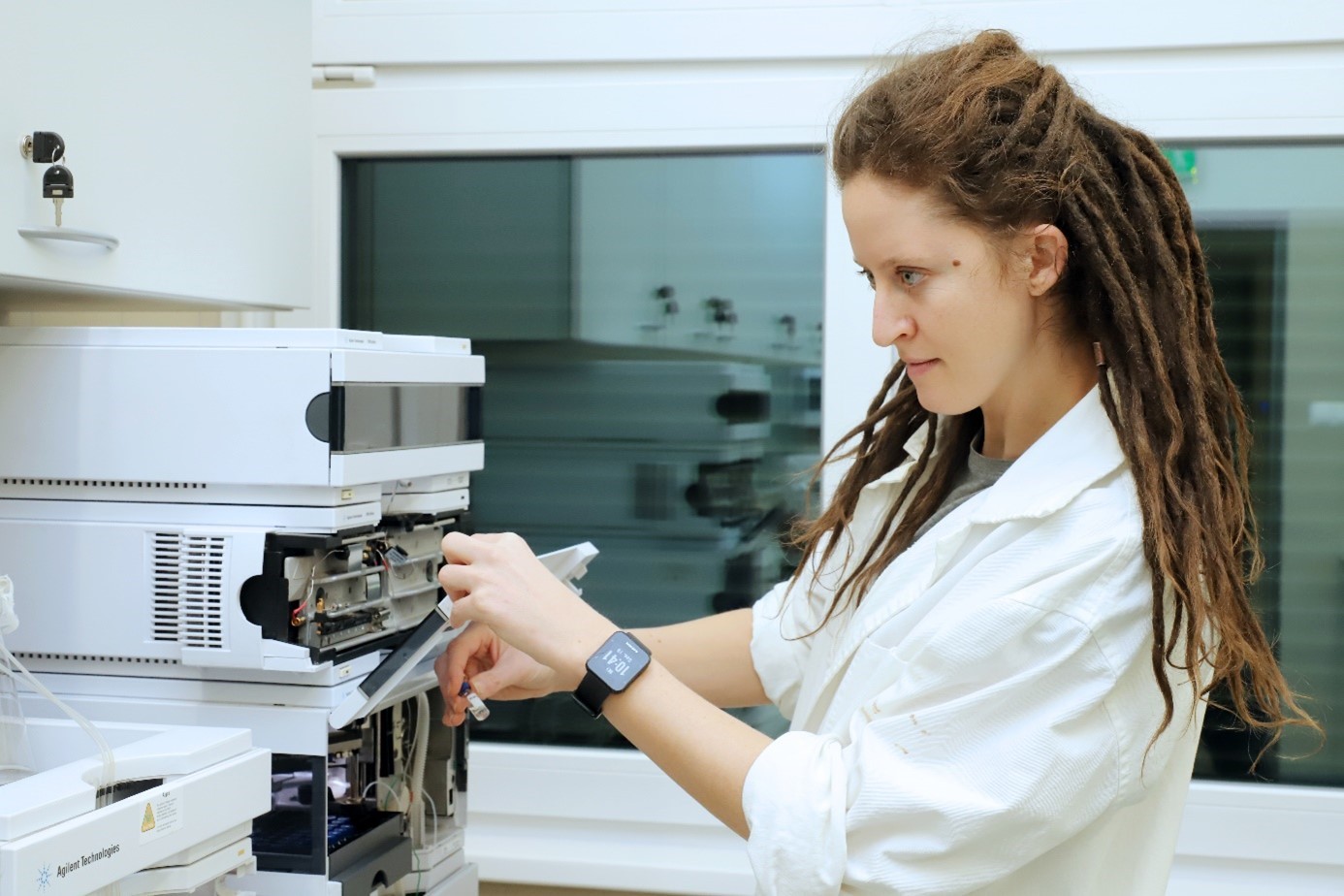
Ionchromatography
- Dionex DX-500 ionchromatograph
- AS50 autosampler and column thermostat
- EG40 eluent pump
- GP40 gradient pump
- CD20 conductivity detector

Protein engineering is a key tool for research at the Bio-Nanosystems Research Laboratory, where we develop proteins with a variety of beneficial properties. These include self-assembling flagellin proteins, which can be modified to construct target-specific binding variants and stable nanorods with thousands of surface binding sites, which are ideal for applications such as biosensors. In a similar way, proteins with enzymatic activity or building e.g. fluorescent labelling structures can be created and combined in any desired way. Using protein engineering, we also design proteins that can be efficiently used in high-throughput diagnostic procedures, e.g. for specific enrichment of extremely low concentrations of components in complex biological fluids or enzymatic conversion of samples for analysis.
The development of proteins for a variety of applications is based on two approaches: rational design by modifying proteins of known structure, and ribosome display-based directed evolution. Both approaches use recombinant DNA technology tools to manipulate the protein-encoding gene at the DNA level and produce the protein in cell-free or bacterial (E. coli or Salmonella-based) systems.
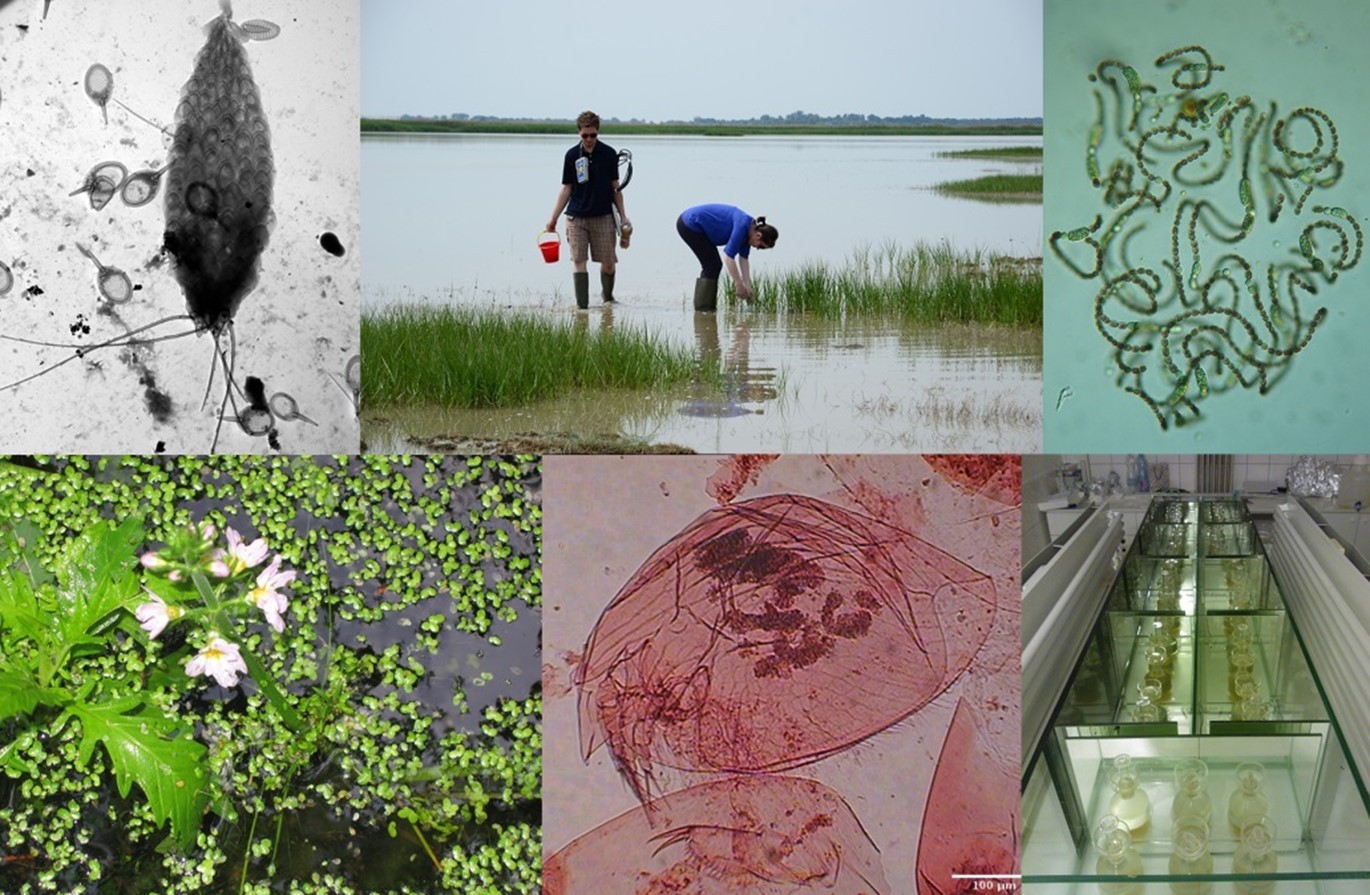
The Limnology Research Group of the Center for Natural Sciences at the University of Pannonia has a diversified scientific portfolio. The main research area of the Research Group is the ecology of planktic and benthic algae mostly in freshwaters and its responses to environmental change. Major researches of the Research Group include exploring the diversity of silicon-based algae in saline and brown-water forest lakes and the impact of climate change on lake algal communities. Several indices have been developed to determine the ecological status of lakes and rivers based on phytoplankton and benthic diatom communities.
Nanolab is the electron microscopy laboratory of the University of Pannonia. We study the structures, compositions, and morphologies of solid materials, from atomic resolution to the micrometer scale, using a wide variety of electron microscopy techniques.
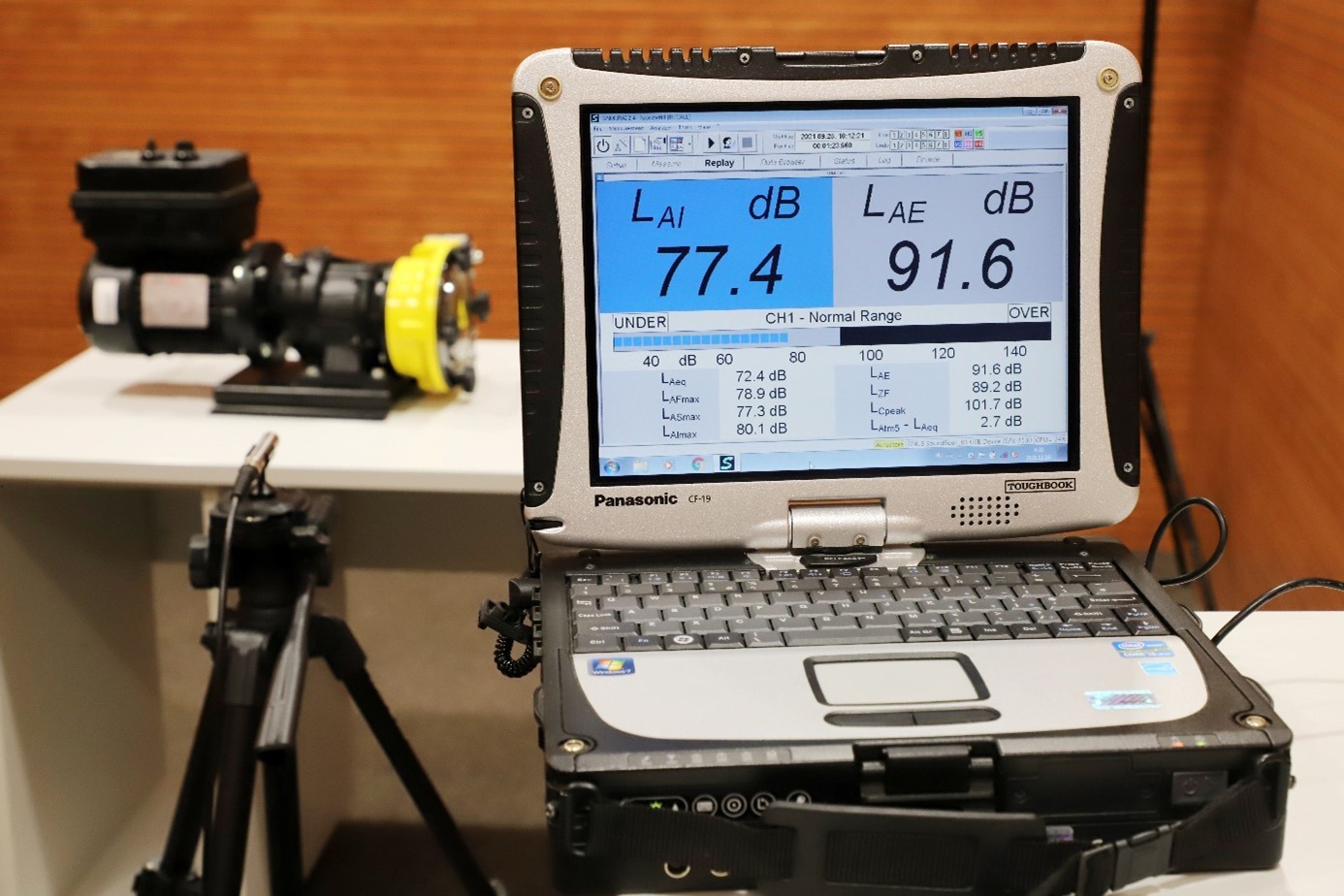
Since its establishment in 1951, the Sustainability Solutions Research Laboratory at the Faculty of Engineering of the University of Pannonia has been engaged in the study of environmental protection and technologies for the protection of the environment. Currently, its staff of 30 people (including 12 PhDs) provides the following services to cities in the field of sustainability and environmental protection:
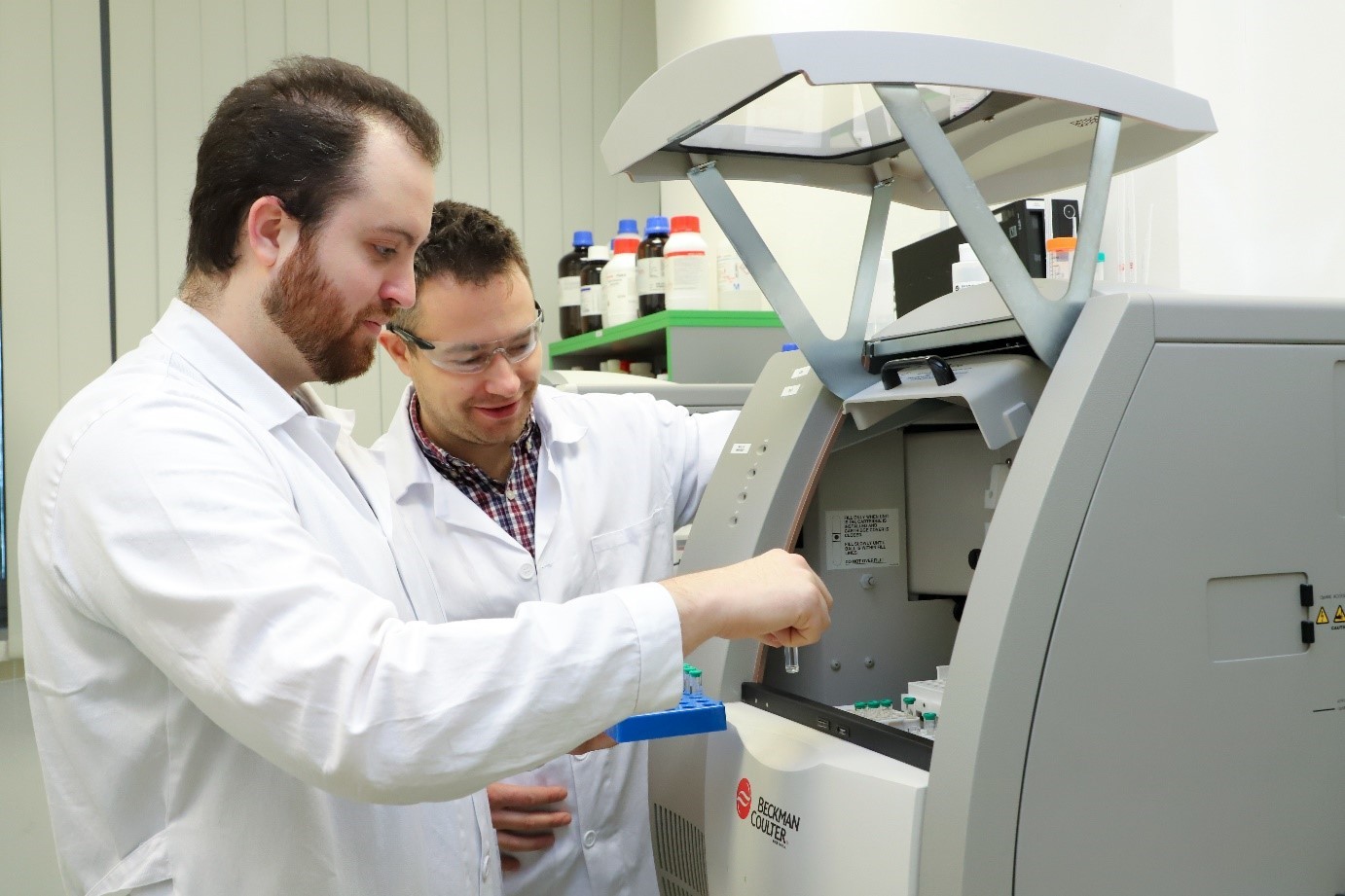
The Translational Glycomics Research Group aims to develop and apply new, innovative bioanalytical methods in the pharmaceutical and life sciences research fields. We perform glycan analytical and glycoprotein studies using high-efficiency liquid phase separation methods - capillary electrophoresis and ultra-high pressure liquid chromatography. State-of-the-art commercially available equipment are available for standard analyses. In addition, for specific R&D tasks, custom-developed devices, both hardware and software, are available.